

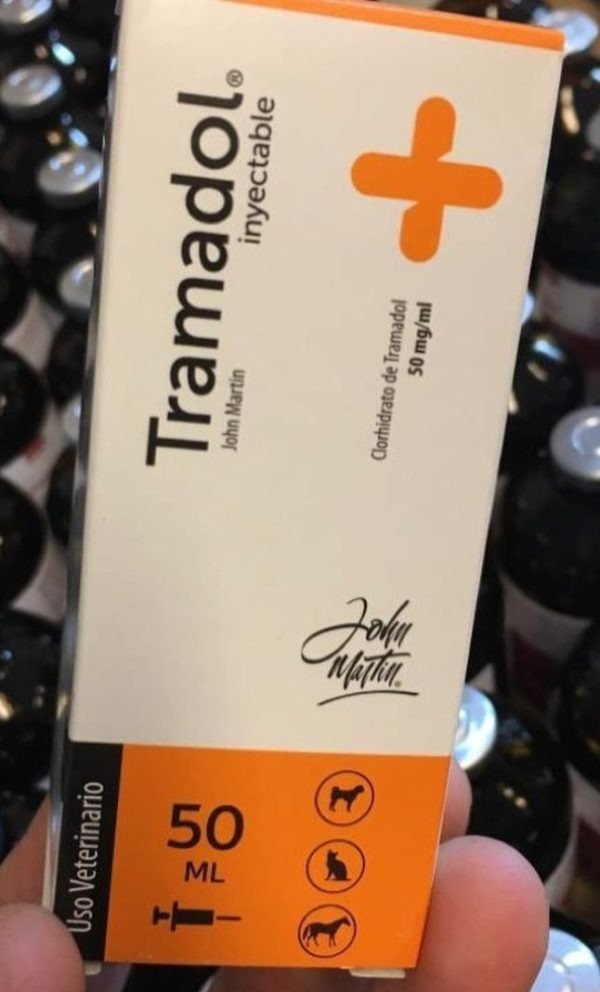

Tramadol Injection
Original price was: $65.00.$60.00Current price is: $60.00.
Tramadol Injection is a prescription‑only synthetic opioid analgesic used for moderate to severe pain management. It is primarily a human medicine, but sometimes prescribed off‑label in veterinary practice (dogs, cats, horses) under strict supervision.
Tramadol Injection – Veterinary Medicine
Tramadol Injection is a synthetic opioid analgesic used in veterinary medicine to manage moderate pain, especially post‑operative pain in dogs. It acts on the central nervous system by binding to opioid receptors and inhibiting serotonin/norepinephrine reuptake, providing both analgesic and mild sedative effects.
Composition
- Active Ingredient: Tramadol Hydrochloride (commonly 50 mg/ml solution).
- Form: Clear, sterile injectable solution.
Indications
- Dogs: Reduction of mild post‑operative pain.
- Cats: Sometimes used off‑label for chronic pain management.
- Other small mammals: Occasionally prescribed extra‑label for pain relief.
Benefits
- Dual Mechanism: Acts on opioid receptors and inhibits serotonin/norepinephrine reuptake.
- Effective Pain Relief: Provides analgesia without the potency of stronger opioids.
- Versatile Use: Can be combined with NSAIDs or other analgesics for multimodal therapy.
- Safer Profile: Less respiratory depression compared to morphine.
Administration
- Route: Intramuscular or intravenous injection.
- Dosage: Determined by veterinarian based on species, weight, and severity of pain.
- Duration: Provides pain relief for several hours; may require repeat dosing.
Risks & Precautions
- Contraindications: Not for use in animals with epilepsy.
- Side Effects: Sedation, nausea, vomiting, constipation, or mild respiratory depression.
- Metabolism Variability: Some dogs are “non‑responders” due to differences in metabolizing tramadol.
- Drug Interactions: Avoid with other serotonergic drugs (risk of serotonin syndrome).
- Veterinary Supervision Required: Improper dosing may cause toxicity or inadequate pain control.
Tramadol injection Used to alleviate pain in acute trauma, to alleviate chronic pain and pain refractory to other treatments. Used in cancerous conditions and to treat osteoarticular and muscular pain, visceral pain in general, urologic syndrome in different species, post amputation syndrome, “phantom limb”.Tramadol injection
COMPOSITION
Tramadol hydrochloride 50 mg
Excipients q.s. 1 mL
THERAPEUTIC ACTION
Opioid analgesic drug.
INDICATIONS FOR USE
To be used in dogs to alleviate moderate-to-severe pain caused by different etiologies.Tramadol injection
To treat postoperative pain (due to its low potential to induce respiratory depression, it can be recommended as first-choice drug to treat postoperative pain instead of morphine).
ROUTE OF ADMINISTRATION
See DOSAGE AND INSTRUCTIONS FOR USE
DOSAGE AND INSTRUCTIONS FOR USE
Dogs and cats: administer 1-3 mg/kg body weight 2 to 3 times a day, subcutaneous, intramuscular, slow intravenous or epidural administration.
Horses: administer 1 mg/kg body weight. Slow intravenous or epidural administration.
Directions for use: to dose 1 mg/kg administer 0.20 mL every 10 kg live weight, to dose 2 mg/kg administer 0.40 mL every 10 kg live weight, to dose 3 mg/kg administer 0.60 mL every 10 kg live weight.
For all species: it should be administered every 6 to 8 hours.
Duration of treatment will be determined by the prescribing veterinarian.
CONTRAINDICATIONS / WARNINGS / PRECAUTIONS
Do not use in patients with known hypersensitivity to tramadol or to any of the excipients.
Do not use in pregnant or lactating animals.
Simultaneous administration with deprenyl or with psychotropic drugs such as serotonin reuptake inhibitors, tricyclic antidepressants or monoamine oxidase inhibitors may increase seizure threshold. If administered in combination with drugs which are enzymatic inductors, such as carbamazepine, phenobarbital, phenytoin or rifampin, the dose of tramadol should be increased.
Inhibitors of isoenzyme CYP 2D such as amiodarone, cimetidine, clomipramine and haloperidol may decrease the metabolism of tramadol thus reducing the levels of metabolite M1 and, consequently, the analgesic effectiveness, and increasing the appearance of adverse reactions.
Tramadol is contraindicated in patients with respiratory depression, acute obstructive pulmonary disease, uncontrolled epilepsy and acute renal and/or hepatic failure. In patients with liver cirrhosis, the dosing interval shall be reduced. In patients with chronic renal and/or hepatic failure the dosing interval shall be increased.
Tramadol can cause miosis which may mask the presence or exacerbation of clinical features of intracranial hypertension.
Do not mix in the same syringe with diazepam, diclofenac sodium, indomethacin, midazolam or piroxicam.
Adverse reactions are rare. The most frequent ones include: gastrointestinal malaise such as nausea, vomiting, constipation or diarrhea. In connection with the nervous system, nervousness, anxiety, agitation, shaking, spasticity, euphoria, deterioration in coordination, somnolence or insomnia may be experienced. In case of apparent sedation or strange behavior, the dose should be reduced. Do not use in the treatment of pain caused by pancreatitis.
Side effects:
It is recommended to gradually increase the dose within 3 days, in order to reduce the presence of nausea and vomiting. The administration of an antiemetic drug during the first days of treatment can also be beneficial. Nausea and vomiting are more frequent when intravenous administration is very fast, it is recommended that the injection is administered in 1-2 minutes.
Observe normal aseptic precautions.
In case of overdose, somnolence, dizziness, bradycardia, dyspnea, miosis, sensory disorders and seizures may be experienced.
In these cases, administer Naloxone (dogs: 0.04 mg/kg body weight IM or IV, cats: 0.05 to 1 mg/kg body weight IV) and also provide parenteral hydration, oxygen therapy and ventilatory support.
In case of seizure, indicate diazepam.
AVAILABLE
-ukraine
– Argentina
– Hong Kong
– Uruguay
– Perú
– Panamá
Why Choose Equnes Vets?
- Trusted Source: Authentic veterinary analgesics and pain management solutions.
- Direct Support: Contact via email or WhatsApp for prescription assistance.
- Global Shipping: Reliable delivery worldwide.
- Expertise: Years of experience in equine, livestock, and companion animal health.
Tramadol Injection is a synthetic opioid analgesic widely used in veterinary medicine for dogs and cats, especially for post‑operative pain management. While effective and relatively safe, it requires strict veterinary supervision due to risks of side effects, drug interactions, and variable metabolism.





Reviews
There are no reviews yet.