

Hoof growth and strength supplements for weak hooves

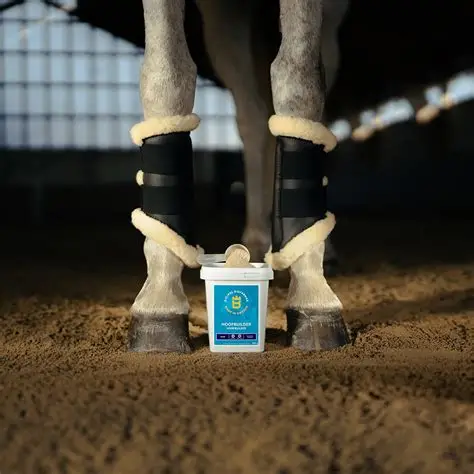
Hoof growth and strength supplements for weak hooves are designed to provide the specific nutrients a horse needs to grow stronger, thicker, and more resilient horn, helping reduce cracks, chipping, and slow hoof growth over time. This explains how hoof supplements work, which ingredients are most effective, and how to choose a high‑quality product so your horse can grow healthier hooves from the inside out. Whether your horse struggles with brittle, flaky feet, frequent shoe loss, thin soles, or long‑standing hoof quality issues, the right daily supplement can support stronger hoof walls, better horn integrity, and more reliable soundness.
A horse’s hooves are constantly growing and renewing, but poor nutrition, genetics, environment, and workload can all affect hoof quality. Horses kept on wet ground, very dry footing, or frequently changing conditions often develop soft, crumbly, or cracked hooves. Repeated shoeing, past laminitis, or metabolic problems can also weaken hoof horn and slow growth. Hoof growth and strength supplements for weak hooves are specially formulated to support the structures that make up the hoof capsule—horn, laminae, sole, and frog—so that new growth emerges stronger and more resilient.
The most important ingredient in a hoof supplement is biotin, a B‑vitamin that plays a key role in keratin production and hoof horn quality. Research suggests that feeding adequate biotin over several months can improve hardness, resilience, and growth rate of the hoof. Effective hoof supplements for weak hooves typically provide at least 15–20 mg of biotin per day for an average‑sized horse, often combined with other supportive nutrients. However, biotin alone is not enough; it works best when paired with a complete hoof‑focused formula.
High‑quality hoof growth and strength supplements often include a balance of methionine and other essential amino acids, which are the building blocks of keratin in the hoof wall and hair. Zinc and copper are particularly important trace minerals for hoof quality, skin, and coat; imbalances or deficiencies can show up as weak, peeling horn and poor overall hoof condition. Many advanced formulas also provide manganese, calcium, and phosphorus in balanced amounts to support the structural integrity of the hoof and healthy bone around it. Some products include MSM and omega‑3 fatty acids to support a normal inflammatory response and overall hoof and joint comfort.
Choosing the right hoof supplement starts with understanding your horse’s diet and current hoof problems. Horses on restricted grazing, low‑quality forage, or limited access to a balanced balancer or fortified feed may be missing key nutrients for hoof health. Those with thin, shelly walls, recurring cracks, or shoes that won’t stay on often benefit from a targeted hoof formula that fills these nutritional gaps. If your horse also has a history of laminitis or metabolic issues, you’ll want a supplement that supports hoof quality without adding excess sugar or starch.
Form and palatability matter for long‑term success. Hoof supplements are usually available as pellets, powders, or occasionally liquids that are added to the daily feed. Pelleted products are often better accepted by picky horses, while powders may offer more flexible dosing for different sizes and workloads. Because hoof horn grows slowly—from the coronary band down to the ground—visible results can take several months, so your horse must be willing to eat the supplement consistently every day. Clear feeding directions based on bodyweight help ensure your horse gets the full, effective dose.
It is essential to choose a hoof supplement from a reputable manufacturer with transparent labelling and quality control. Look for products that list exact amounts of biotin, methionine, zinc, copper, and other key nutrients, rather than using vague “proprietary blends” that hide dosages. Avoid supplements with excessive fillers, unnecessary sugars, or low levels of active ingredients that may not make a meaningful difference. Good brands often provide technical information, analytical breakdowns, and clear recommendations on how long to feed before expecting noticeable changes.
Hoof growth and strength supplements work best when combined with proper farrier care and good management. Regular, skilled trimming or shoeing on a consistent schedule is critical to supporting new growth and preventing existing cracks from worsening. Good stable management—such as avoiding prolonged standing in wet, dirty bedding or extreme dry conditions—helps protect the horn you’re working so hard to improve nutritionally. Properly fitting shoes or boots, avoiding sudden changes in workload, and managing body weight all reduce unnecessary stress on already weak hooves.
For many horses with weak hooves, owners begin to see improvements in new growth at the coronary band within a few weeks, but it typically takes 6–12 months for a completely new, stronger hoof to grow down. Over time, the hoof wall may appear smoother, with fewer rings and less flaring or chipping. Soles can become stronger and more supportive, making shoes more secure and barefoot horses more comfortable on varied ground. This longer timeframe highlights why consistency and patience are so important when using hoof supplements.
Hoof growth and strength supplements can be particularly valuable for horses transitioning from shod to barefoot, horses recovering from laminitic episodes (under veterinary and farrier guidance), and those with long‑term brittle, shelly feet. Performance horses that regularly work on hard or abrasive surfaces may also benefit from ongoing hoof support to cope with increased wear. Even if your horse already has decent feet, a well‑balanced hoof supplement can act as insurance during times of stress, diet changes, or increased workload, helping maintain hoof integrity before problems develop.
While hoof supplements are powerful tools, they are not a substitute for professional veterinary and farrier care, especially in cases of lameness, severe cracks, white line disease, or chronic laminitis. If your horse is sore, repeatedly losing shoes, or showing sudden hoof changes, consult your veterinarian and farrier for diagnosis and a coordinated treatment plan. Together, they can address underlying causes, recommend appropriate shoeing or trimming strategies, and advise on the best way to integrate a hoof supplement into your horse’s overall care. Used consistently alongside expert care and good management, hoof growth and strength supplements for weak hooves can play a major role in building stronger, healthier feet and supporting long‑term soundness.